
The first year of your baby’s life is a whirlwind of growth and wonder, filled with tiny triumphs, big developments, sleepless nights, sweet snuggles, and more than a few moments that make you wonder, How did you grow so fast?
During those first 12 months, your baby will change almost before your eyes. The tiny newborn you bring home from the hospital will gradually begin smiling, sitting, exploring, babbling, moving and showing off a personality that is completely their own.
And, of course, that first year is packed with “firsts” you’ll want to capture and cherish forever.
While every baby develops on their own timetable, there are some common baby milestones that often happen during the first year. Let’s take a stroll through some of the most precious moments you may experience during your little one’s inaugural year on planet Earth!
Welcome Home, Baby!
There’s nothing quite like walking through your own front door with your newborn for the first time.
After months of anticipation, your baby is finally home—and suddenly the bassinet, changing table, tiny clothes and carefully prepared nursery have a very real little person to go with them!
Take a photo of this day, even if everyone looks exhausted and nothing feels picture-perfect. Years from now, those imperfect photos may be among your favorites.
Capture your baby in their nursery, sleeping in their bassinet or being held by siblings, grandparents or other loved ones. You might also write down a few memories about the day: What was the weather like? What outfit did your baby wear home? Who was there to welcome you?
Those tiny details are surprisingly easy to forget.
That Heart-Melting First Smile
You’ve probably been smiling at your baby since the moment you met. Eventually, you’ll get one back!
Around the early months of infancy, many babies begin responding to others with smiles. Unlike those adorable sleepy newborn expressions, a social smile is part of your baby’s growing ability to interact with the people around them.
And there’s nothing quite like it.
Talk to your baby, smile, make funny faces and enjoy those early attempts at communication. Before long, those smiles may be accompanied by coos, squeals and eventually belly laughs.
You may discover you’ll do almost anything to hear that baby giggle one more time!
Longer Stretches of Sleep
Ahhh…sleep.
For exhausted parents, one of the most celebrated developments of the first year may be the first time baby sleeps for a surprisingly long stretch.
Sleep patterns vary tremendously from baby to baby, especially during the first year, so try not to compare your little one with someone else’s.
Instead, celebrate progress when it comes.
Someday, you may actually find yourself standing beside the crib wondering, Why is the baby still sleeping?
Funny how quickly parenthood changes your definition of excitement!
Remember to follow current safe-sleep recommendations for infants and talk with your pediatric healthcare provider if you have questions about your baby’s sleep.
The Adventure of First Foods
Get the bibs ready. Things are about to get messy!
Around 6 months, many babies are developmentally ready to begin exploring foods in addition to breast milk or infant formula. The Centers for Disease Control and Prevention recommends looking for signs of readiness rather than relying on age alone.
Your baby’s first taste of avocado, banana, sweet potato or oatmeal may produce an expression worthy of its own photo shoot.
Eating is about much more than discovering new flavors. Babies are also developing important oral and motor skills as they learn how to manage food and eventually begin reaching for and picking up appropriate foods themselves.
Take plenty of pictures—but embrace the mess. A face covered in sweet potato may not seem glamorous now, but someday you’ll love that photo.
Always follow age-appropriate feeding and choking-prevention guidance, and talk with your baby’s healthcare provider about introducing solid foods and common allergens.
Sitting Up and Seeing the World
When your baby learns to sit independently, their perspective on the world suddenly changes.
Instead of experiencing everything primarily from their back or tummy, they can sit upright, reach for toys and observe everything happening around them.
Independent sitting develops gradually as babies build strength and balance. You may first notice your baby sitting with support and eventually staying upright independently.
Spread a blanket on the floor, place a few favorite toys nearby and watch your little explorer investigate.
And yes, keep the camera ready!
Baby on the Move
Once babies discover they can get from Point A to Point B, family life gets very interesting!
Many babies begin moving around during the latter half of their first year, but they don’t all do it the same way. Some crawl on hands and knees. Others army crawl across the floor, scoot on their bottoms or develop a creative transportation system all their own.
And some babies may skip traditional crawling altogether.
Whatever method your baby chooses, increased mobility is an exciting sign of growing independence.
It’s also your reminder to take another look at babyproofing. Suddenly, electrical outlets, cords, cabinets, stairs and that fascinating object across the room may be within reach.
Mama? Dada? Baby’s First Words
Your baby has actually been communicating with you from the beginning.
Crying, eye contact, facial expressions, gestures, cooing and babbling are all part of the journey toward language.
As the first birthday approaches, you may begin hearing sounds that seem increasingly intentional—and eventually, a meaningful word.
Will it be “mama”? “dada”? “ball”? “dog”?
Whatever your baby chooses, hearing that first recognizable word can be unforgettable.
Encourage language development naturally throughout the day. Talk to your baby about what you’re doing, sing songs together, name objects they see and read books aloud—even when your baby seems more interested in chewing the book than hearing the story!
Those Amazing First Steps
Few baby milestones generate quite as much anticipation as those first independent steps.
Your baby may begin by pulling up on furniture and “cruising” while holding onto the couch or coffee table. Eventually, there may come that magical moment when they let go.
One step.
Two steps.
Plop!
And everyone cheers.
Walking develops on a broad timetable, so resist the temptation to compare your baby with another child. Some babies are eager to get moving while others are perfectly content to take their time.
When those first steps happen, grab a video if you can. There’s something incredibly special about watching that wobbly little walk years later.
The First Birthday Bash
How did this happen already?
One minute you were bringing home a tiny newborn. Now you’re planning a first birthday.
Whether you throw a big party or celebrate quietly at home, take time to appreciate how much has happened during these 12 months.
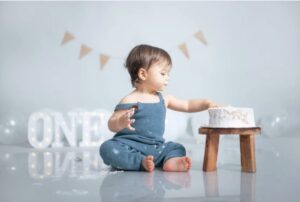
Take the traditional birthday photos. Capture the cake-covered fingers. Get a picture with parents, siblings and grandparents. Consider taking a photo in the same spot or with the same stuffed animal you used for newborn pictures so you can see just how much your baby has grown.
And don’t forget to get in some of the photos yourself.
Parents are often the ones behind the camera, but someday your child will treasure pictures showing you there, too.
Celebrate the Milestones That Are Uniquely Theirs
Developmental milestones are wonderful, but some of the best memories won’t appear on any pediatric checklist.
Maybe it’s the first time your baby dances when music starts playing.
The first time they splash wildly in the bathtub.
The first time they pet the family dog.
Their first trip to the zoo.
The first time they see snow.
The first time they reach for Grandma.
Or the silly expression they make every single time you serve peas.
These are the moments that tell the story of your baby.
Tips for Capturing Baby’s First-Year Memories
• Keep your phone or camera handy. You never know when a first might happen.
• Write down the date. Record milestones in a baby book, calendar, journal or digital note.
• Take videos, too. Photos capture a moment, but video lets you hear that first laugh, babble or adorable little voice again.
• Capture everyday life. Don’t save your camera only for major milestones. Photograph sleepy snuggles, bath time, stroller rides and ordinary afternoons.
• Include yourself. Hand someone else the camera occasionally. Your baby will someday want pictures of the two of you together.
• Back everything up. Those first-year photos and videos are priceless. Consider keeping copies in more than one secure location.
Remember: Every Baby Is Unique
Milestone ages are guidelines, not a competition or a report card.
Babies grow and develop at different rates, and there can be a wide range of typical development. One baby may concentrate on movement while another seems fascinated with sounds and communication.
Instead of comparing babies, enjoy watching your child become more capable, curious and expressive every day.
If you ever have concerns about your baby’s development or feel that your child may not be meeting expected developmental milestones, talk with your pediatrician or other qualified healthcare professional. Asking questions is always appropriate.
Most importantly, don’t become so focused on documenting the firsts that you miss experiencing them.
Sometimes the best thing you can do is put down the phone, scoop up that sweet baby and soak in the moment.
Because that first year?
It goes unbelievably fast.
Here’s to 12 months of wonder, laughter, messy meals, sleepy cuddles, tiny discoveries, big celebrations—and more photo opportunities than your phone storage ever anticipated.
Happy memory-making!
Sources
American Academy of Pediatrics/HealthyChildren.org. Movement: 8 to 12 Months.
Centers for Disease Control and Prevention. When, What, and How to Introduce Solid Foods.
Newsymom.