
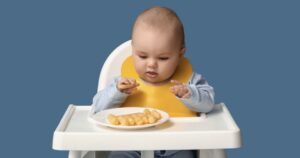
The transition to solid foods is a major milestone in your baby’s growth—and it can be a lot of fun, too! Watching your baby experience a new flavor for the first time, discover the texture of a banana, or make a hilarious face after tasting something unfamiliar can create some wonderful memories.
It can also bring plenty of questions. When should you start? What foods should you offer first? How much should your baby eat? And what about food allergies and choking?
Every baby develops at a slightly different pace, so there isn’t one perfect approach for every family. But there are some simple guidelines that can help make introducing solid foods less stressful and more enjoyable for both you and your little one.
Here are 10 tips to help you get started.
1. Wait for Readiness
Most babies are developmentally ready to begin trying solid foods at around 6 months of age. Rather than relying only on your baby’s age, however, watch for signs of readiness.
Your baby may be ready to explore solids when they can sit with good head and neck control, show an interest in the food you’re eating, open their mouth when food is offered, and swallow food rather than immediately pushing it back out.
If you’re unsure whether your baby is ready, ask your pediatrician or healthcare provider. There’s no need to rush this milestone!
2. Start Slow
Your baby doesn’t need a three-course dinner on the first day! In the beginning, eating solid food is as much about learning as it is about nutrition.
Your baby is discovering an entirely new skill. Food feels different from breastmilk or formula. They have to learn how to move it around their mouth and swallow it—and they’re being introduced to brand-new tastes, smells, colors, and textures.
Begin with small amounts of developmentally appropriate foods and gradually introduce more variety.
When introducing common food allergens, such as egg or peanut, talk with your pediatrician about the appropriate timing and preparation, particularly if your baby has severe eczema, an existing food allergy, or other risk factors.
3. Embrace the Mess
There is a very good chance that at least some of your carefully prepared baby food will end up on the highchair, the floor, your baby’s clothes—or possibly in their hair!
That’s okay.
Babies learn about food with all of their senses, and touching and exploring food can be part of that process. Try not to worry about keeping every meal perfectly tidy.
Put down an easy-to-clean mat, grab a bib and let your baby explore. Someday you may even miss those sweet, messy little mealtimes!
4. Be Patient
Imagine tasting nearly everything for the very first time. That’s what your baby is doing!
Don’t be discouraged if your little one doesn’t immediately love broccoli, avocado or another new food. Babies sometimes need repeated opportunities to become familiar with a new taste or texture.
Rather than pressuring your baby to eat, simply offer a variety of nutritious foods over time. A funny face doesn’t necessarily mean a food is permanently off the menu!
Mealtimes are a wonderful opportunity to help your child begin developing a positive relationship with food.
5. Get the Gear
You don’t need a kitchen full of expensive baby products to introduce solid foods, but a few basics can make mealtimes much easier.
A sturdy, comfortable highchair that allows your baby to sit upright is especially important. Baby-friendly spoons, bibs, washable or wipeable mats, small bowls and age-appropriate cups can also come in handy.
And remember—you may not need to purchase everything new.
Be sure to check out what’s available in our Baby Boutique! We love helping parents find some of the practical items they need as their babies grow and reach exciting new stages.
6. Make It Nutritious
Those first foods are an opportunity to introduce your baby to a wide range of nutritious choices.
Iron is particularly important during this stage of development. Iron-rich options can include appropriately prepared meats, iron-fortified infant cereals, beans and other foods suitable for your baby’s developmental stage.
Over time, you can introduce a variety of fruits, vegetables, grains, proteins and textures.
You also don’t have to assume that babies only enjoy bland food. Introducing a variety of healthy flavors can help your little one discover just how interesting food can be!
Talk with your child’s healthcare provider if you have questions about your baby’s individual nutritional needs.
7. Stay Safe
Safety is especially important when your baby begins eating solid foods.
Always supervise your baby while they eat and make sure they are seated upright in an appropriate highchair or other safe feeding seat.
Learn which foods can pose choking hazards and how to prepare foods safely for your baby’s age and developmental abilities. Whole grapes, popcorn, whole nuts, chunks of hot dog, hard raw vegetables and spoonfuls of nut butter are examples of foods that can present choking risks for young children unless appropriately modified.
It’s also helpful for parents and caregivers to learn the difference between gagging and choking and to know infant CPR and choking first aid.
If you haven’t learned these lifesaving skills yet, consider taking an infant CPR class. It’s knowledge every parent hopes never to need—but can be incredibly valuable in an emergency.
8. Balance Breastmilk or Formula
Introducing solid foods doesn’t mean breastmilk or infant formula suddenly disappears from your baby’s diet.
During the first year, breastmilk or iron-fortified infant formula continues to provide important nutrition while your baby gradually learns to eat an increasing variety of foods.
Think of the transition as exactly that—a transition, rather than an overnight change.
At first, your baby may only eat a very small amount of solid food. That’s perfectly normal. Over the coming months, their eating skills and interest in family foods will continue to develop.
9. Follow Baby’s Lead
Babies are pretty good at letting us know when they’ve had enough.
Your baby may turn their head away, close their mouth, become distracted or simply stop showing interest in the food. Pay attention to those cues rather than trying to coax them into “one more bite.”
Likewise, watch for signs that your baby is still interested in eating.
Following your baby’s hunger and fullness cues can help make mealtime a positive experience. Your job is to provide safe, nutritious choices. Your baby can begin learning to listen to their own body.
10. Enjoy the Journey
There will be spills. There will be strange expressions. There may even be days when your baby happily eats something they refused to touch yesterday—or suddenly refuses the food they loved last week!
That’s all part of the adventure.
Introducing solid foods is about much more than getting food into your baby. Your little one is developing new skills, experiencing new sensations and gradually learning to participate in family mealtimes.
Take pictures. Laugh at the funny faces. Celebrate the first bite of banana and the first successful attempt at using a spoon.
And try not to compare your baby’s progress with someone else’s. Every child develops at their own pace.
One Spoonful at a Time
Introducing solid foods is a special season that can help lay the foundation for healthy eating habits in the years ahead. Keep the experience positive, offer a variety of nutritious foods, pay attention to your baby’s cues and give both yourself and your little one plenty of patience.
Most importantly, remember that you don’t have to have everything figured out on the first day.
Take it one spoonful at a time—and savor the smiles, the discoveries and, yes, even those wonderfully funny faces!
Sources:
American Academy of Pediatrics (AAP), HealthyChildren.org. Starting Solid Foods. 2024.
Centers for Disease Control and Prevention (CDC). When, What, and How to Introduce Solid Foods.
For questions about your baby’s nutrition, allergies, development or readiness for solid foods, talk with your pediatrician or other qualified healthcare provider.